



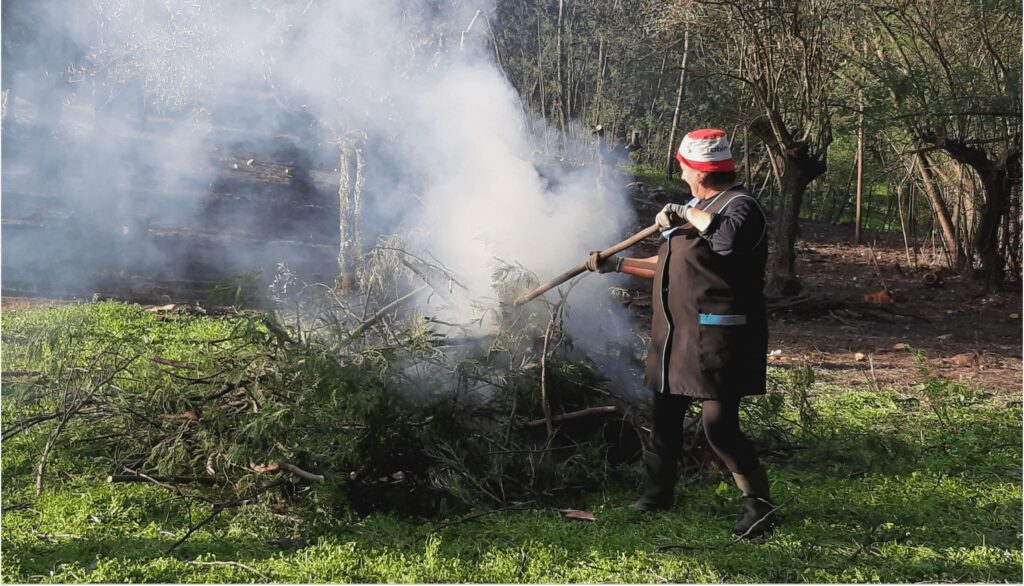
Before a Fire
Learn how to reduce wildfire risk, protect your property, and contribute to prevention efforts.
Wildfires can occur rapidly, especially during hot, dry, and windy conditions. But many steps can be taken in advance to reduce risks and protect lives, homes, and communities.
Before a Fire
Learn how to reduce wildfire risk, protect your property, and contribute to prevention efforts.
Wildfires can occur rapidly, especially during hot, dry, and windy conditions. But many steps can be taken in advance to reduce risks and protect lives, homes, and communities.
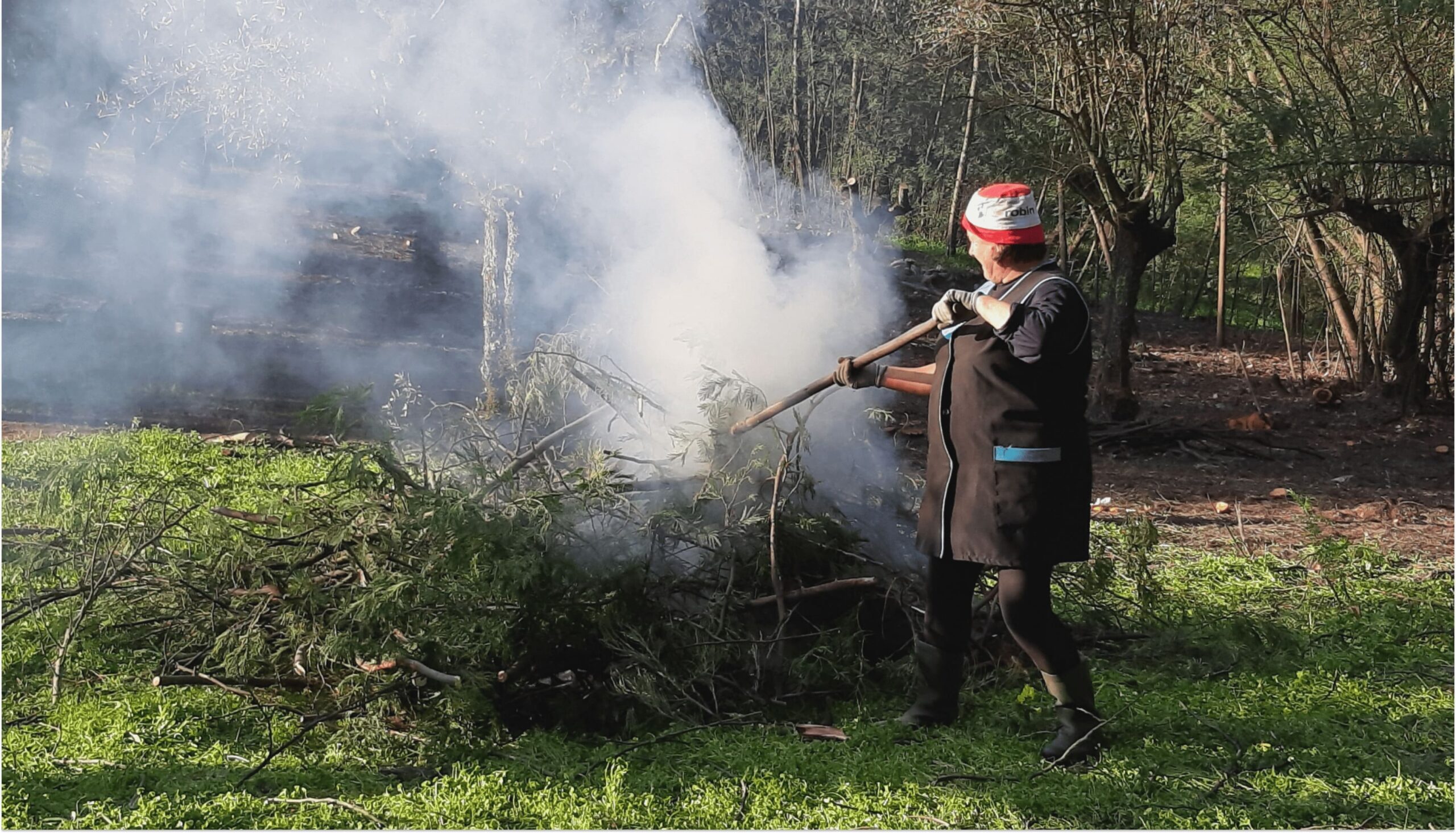
What to do before a Wildfire?
1 – Stay informed
- Check the wildfire hazard level in your area daily through your country’s official meteorological or civil protection website.
- Pay attention to warnings about “Very High” or “Extreme” fire hazard.
- Respect restrictions on the use of fire and machinery during these periods.
Discover the risk level according to your country:
[in development]
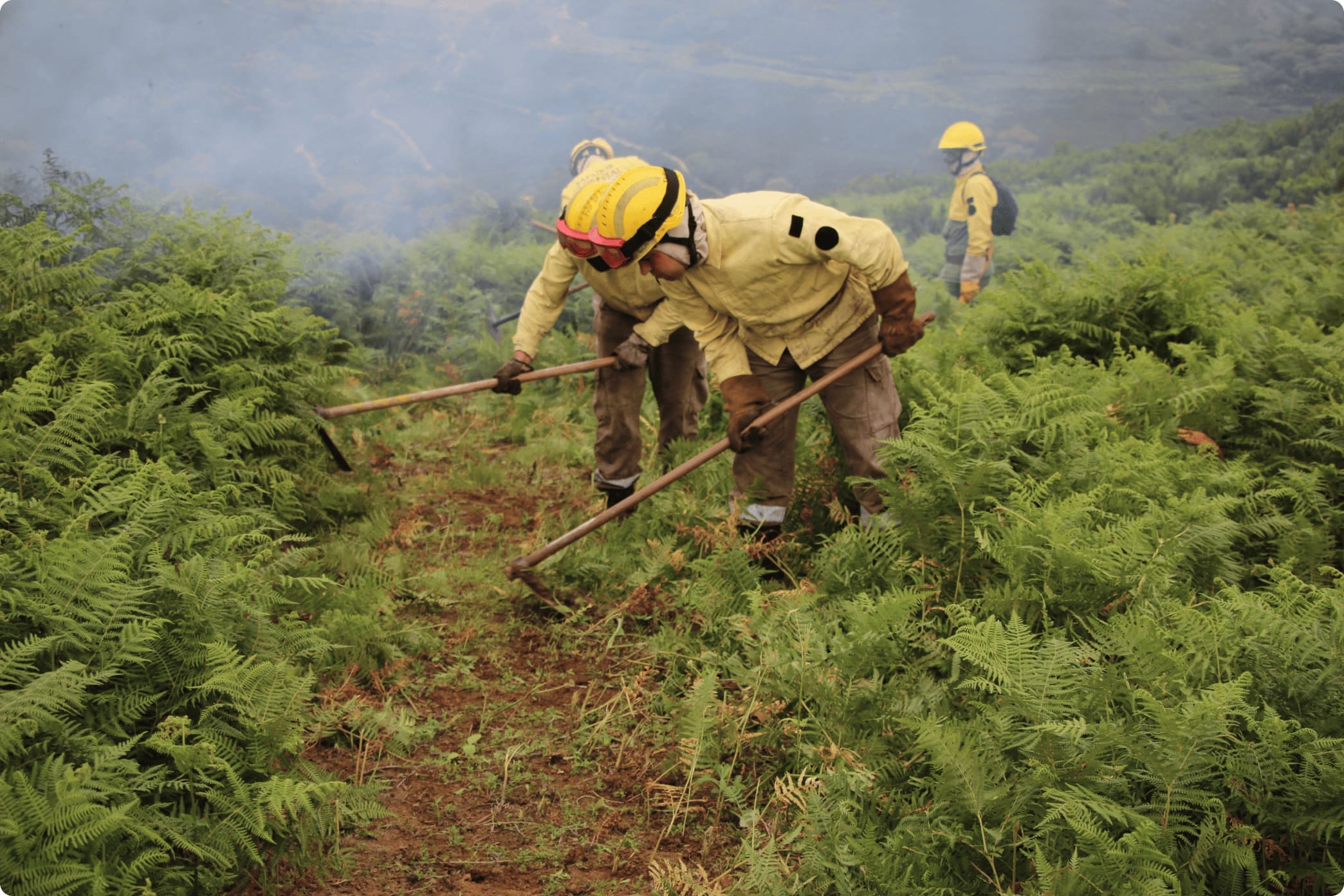
2 – Avoid risky behaviors
On days of high fire hazard:
- 🚫 Do not burn debris or vegetation piles
- 🚫 Do not use fire for cooking in rural areas (unless in designated places)
- 🚫 Do not use motor tools (like brush cutters or grinders) that can produce sparks
- 🚫 Do not fumigate beehives unless your equipment prevents ember release
3 – Prepare your home
Create a defensible space around your house – at least 10 meters (30 feet):
- Clear dry grass, leaves, and branches
- Move firewood, tarps, and outdoor furniture away from the house
- Cut back tree branches that hang over the roof or are close to the walls
- Clean gutters and roofs of dry material
Prepare inside the house:
- Close all openings (doors, windows, chimneys) to prevent embers from entering
- Keep towels nearby to seal gaps if needed
- Have buckets, hoses, and water containers available
- Store emergency supplies (water, food, flashlight, radio, batteries, medication)
4 – Make a family emergency plan
Plan and share with everyone:
- 2 escape routes from the house
- Where to meet if separated
- How to contact each other
- Where to go in case of evacuation
- Create an evacuation kit:
What to have in the Evacuation kit?
- ID documents and important papers
- First-aid kit and medications
- Bottled water and non-perishable food
- Change of clothes, hygiene items
- Flashlight, whistle, radio
- Phone charger and cash
- Contact list of family and friends
5 – Support community safety
If you live in a rural or wildland-urban interface area:
- Join or support local programs on community fire prevention in your country
- Help neighbors prepare, especially the elderly or people with limited mobility
- Share information and prevention practices
- Report risky behavior or illegal burning to authorities
For more resources, check:
-
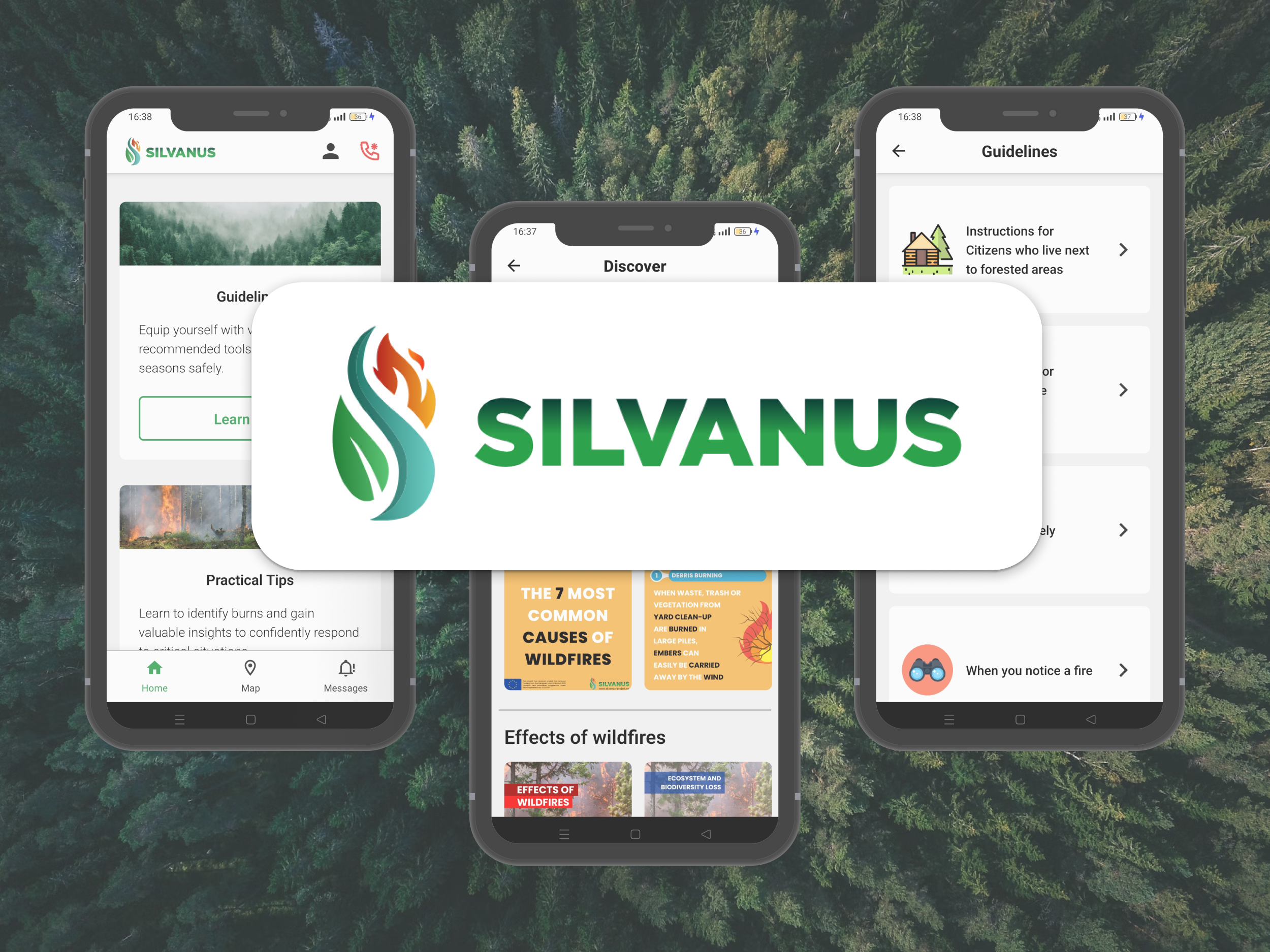
Silvanus App
Fire Guide Before a Fire Silvanus App Silvanus Engagement App provides open educational resources for high school students to learn about wildfires and climate change.…