



After a fire
Understand the impacts of wildfires and discover how to support recovery and restoration.
After a Fire
Understand the impacts of wildfires and discover how to support recovery and restoration.
What to do after a fire?
1 – Immediate safety measures
- Do not return home until fire officials say it’s safe
- Check for flare-ups: hotspots, embers, or smoldering areas (especially near the attic and roof)
- Watch out for hazards: collapsed structures, exposed wires, broken utilities
- Report emergencies: Call 112
- Keep children away from the burned site
2 – Prevention of rekindling
- Continue monitoring the area for days
- Avoid using exposed electrical systems
- Help authorities with surveillance if requested
3 – Environmental and structural impacts
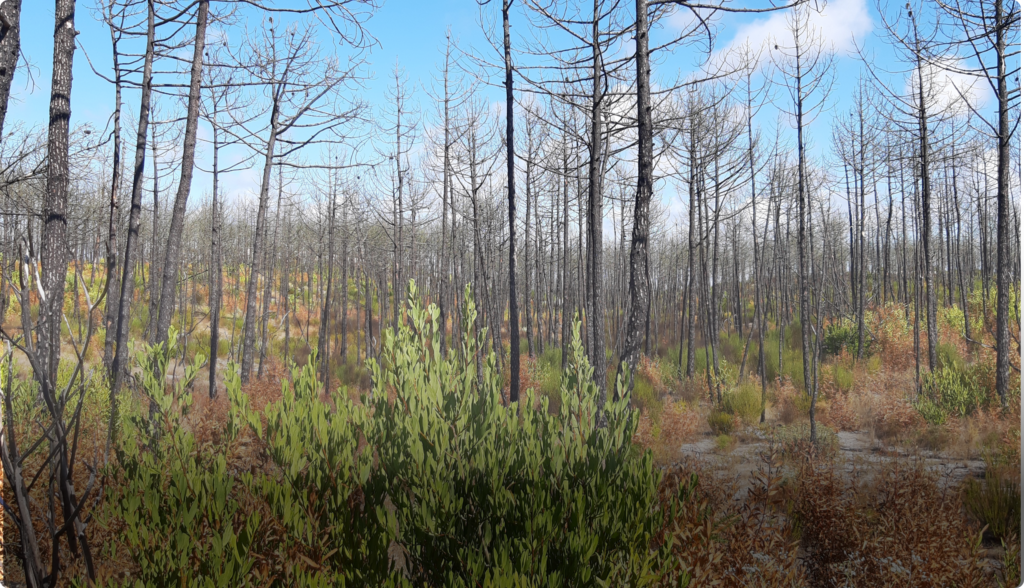
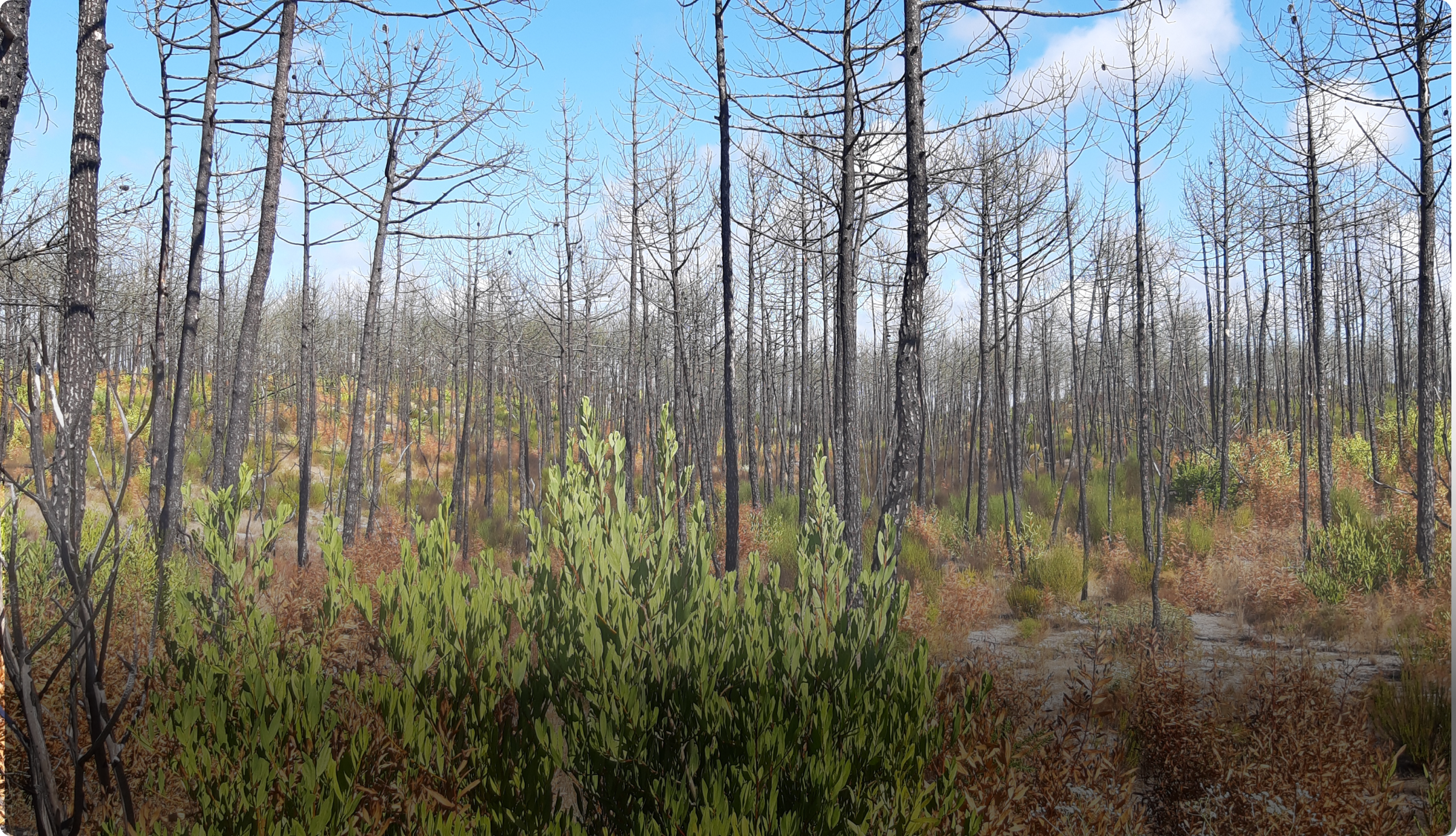
- Burned vegetation can lead to erosion, runoff, and flooding
- Soil may be hardened, affecting water absorption
- Damage to fences, pipelines, and drainage systems is common
- Forest services may apply mulch, restore slopes, and clear debris
4 – Emotional well-being
- It’s normal to feel overwhelmed
- Seek help from local mental health services
- Take care of yourself and support others
- Use age-appropriate resources for children and teens
5 – Air and water quality
- Protect from ash: Use respirators, wear gloves and long clothing
- Children should not help with cleanup
- Check air quality on official platforms
- If using a private well, test water quality before use