



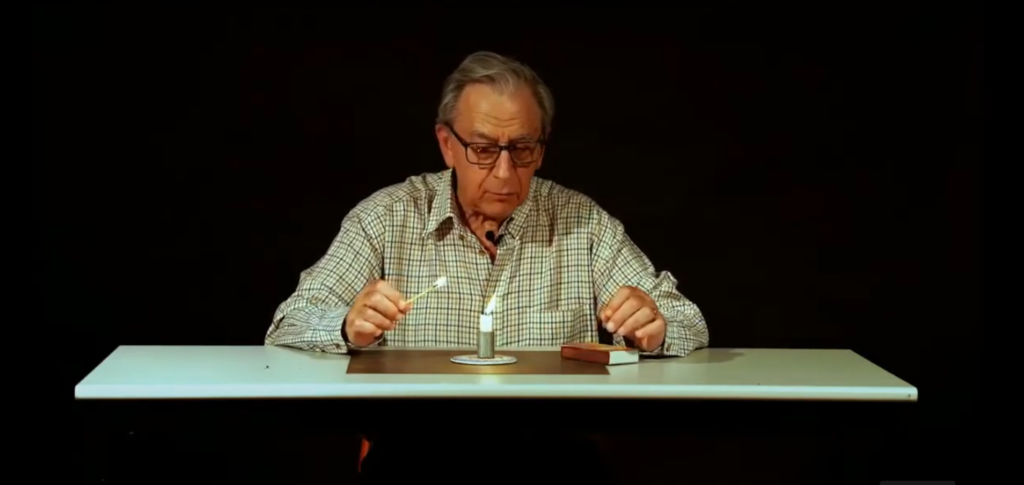
Fire Behaviour
Learn about fire behaviour through practical demonstrations using a candle, and explanations by João Ventura.
Fire Behaviour
Learn about fire behaviour through practical demonstrations using a candle, and explanations by João Ventura.
Duration
15 minutes
Instructor
João Ventura
Language
Portuguese audio English Subtitles
Content
6 videos with quizzes
Description:
Learn about fire behaviour through practical demonstrations using a candle, and explanations by João Ventura.
Curriculum
| Videoclass | Duration |
|---|---|
| Lesson 1: To relight a candle | |
| Lesson 2: Flame burning away from the wick | |
| Lesson 3: White smoke and black smoke | |
| Lesson 4: Effects of atmospheric pression | |
| Lesson 5: Burning solid fuel | |
| Lesson 6: Burning liquid fuel |
All lessons
-
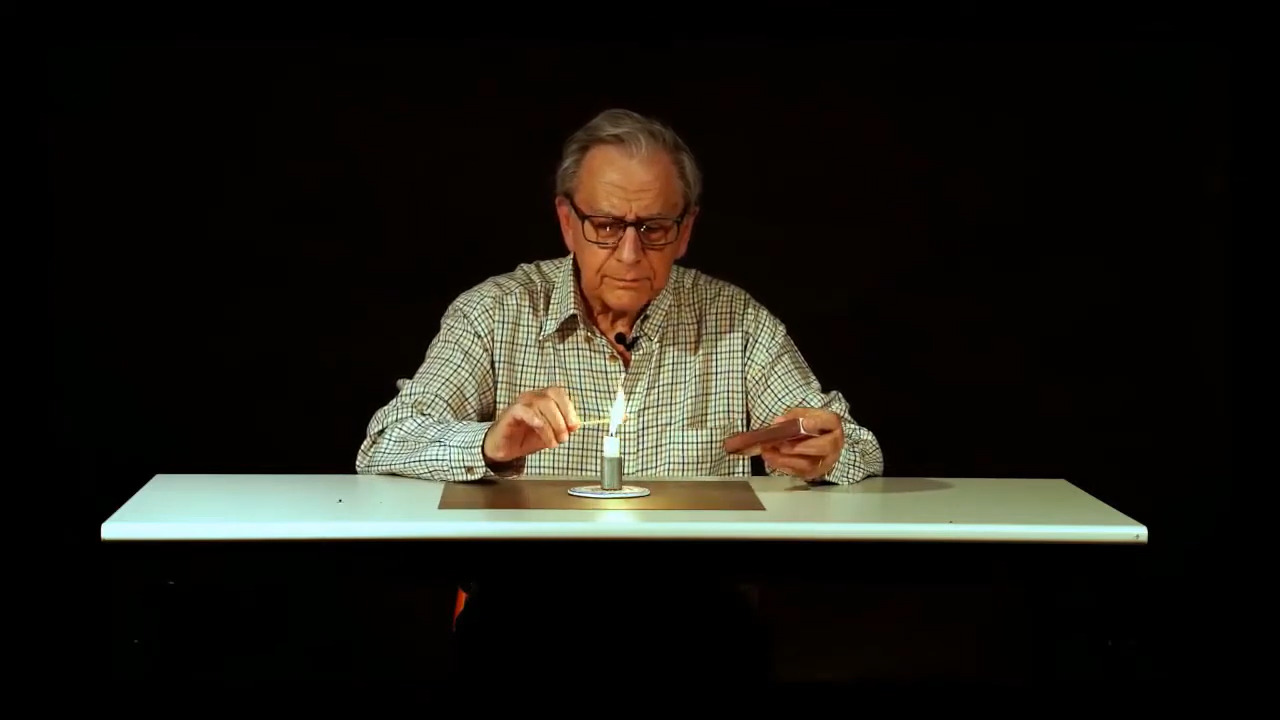
Lesson 1: To relight a candle
When lighting a candle, we need to touch the lit match to the wick. However, if it is extinguished after being lit for a while, it can be re-lit without the match having to touch the wick.
-
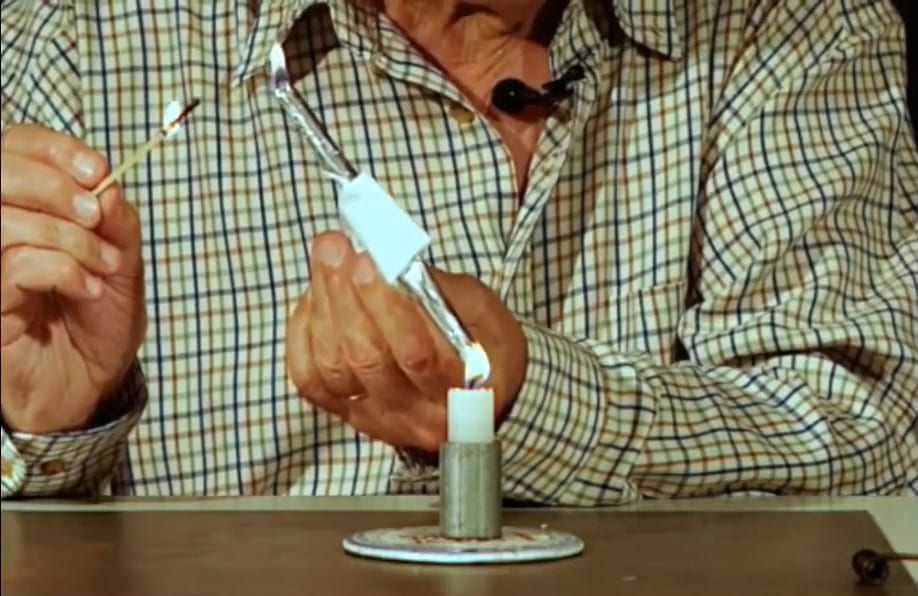
Lesson 2 – Flame burning away from the wick
A candle transforms the solid fuel (the wax) into liquid fuel (molten wax) that is then converted into gaseous fuel. Under normal conditions, this fuel burns in the flame. However, it is possible to remove this gaseous fuel from where it is produced and make it burn away from the candle.
-
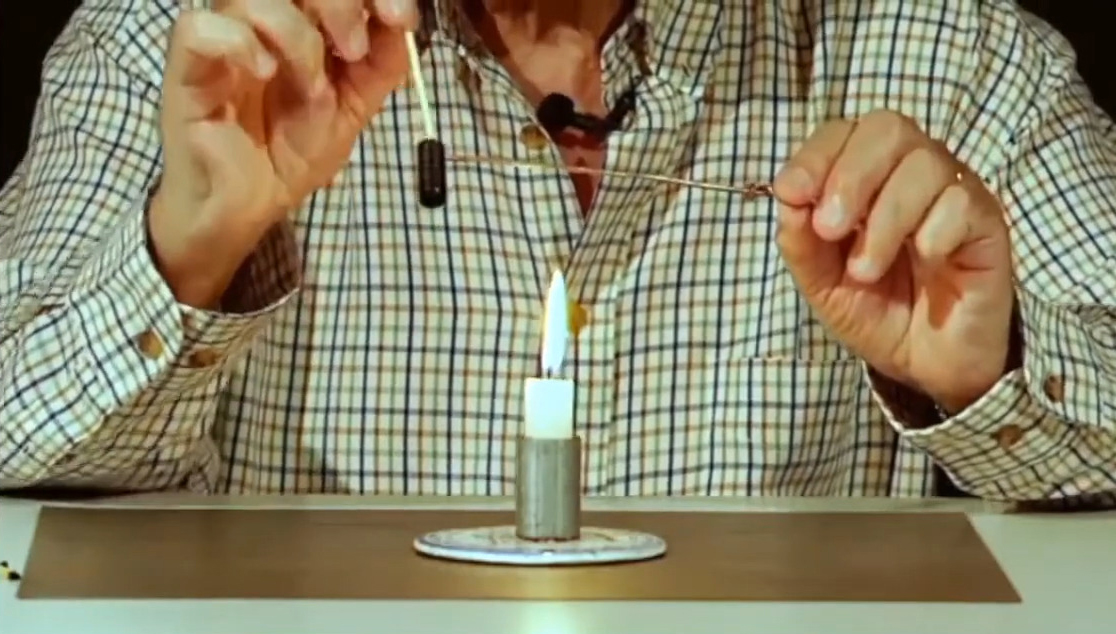
Lesson 3- White smoke and Black smoke
When and why does a candle produces white smoke or black smoke?
-
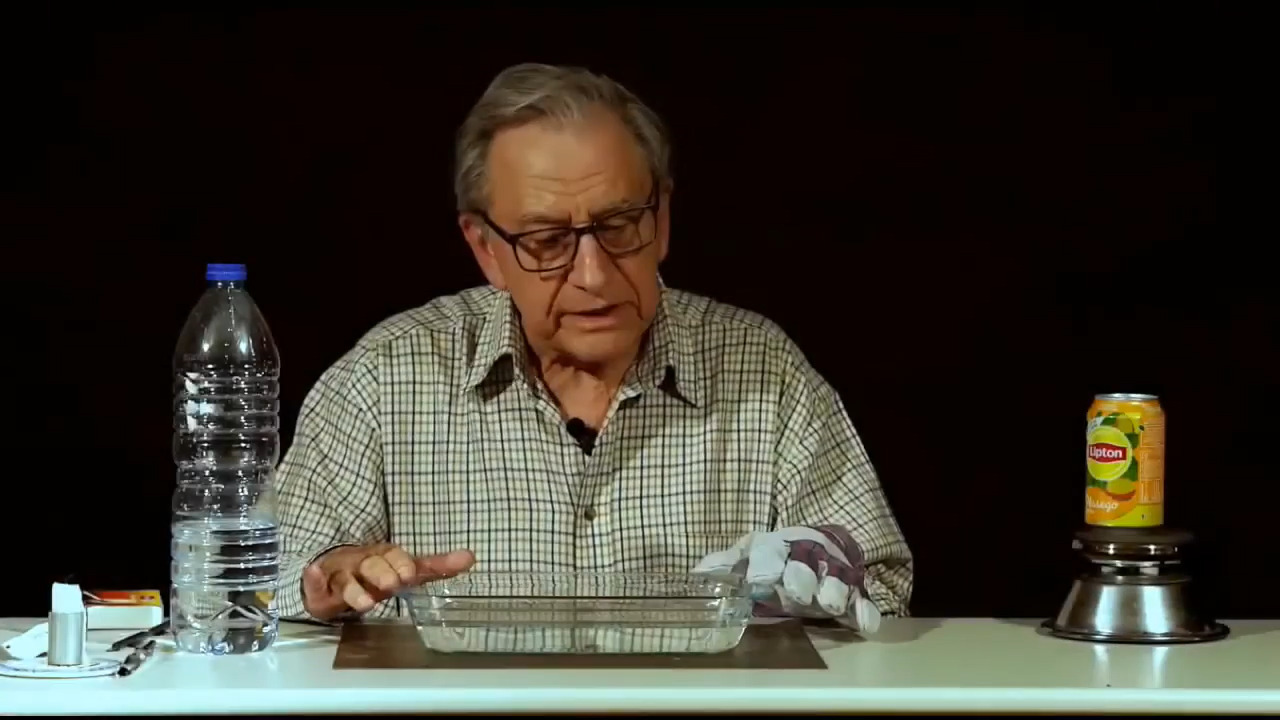
Lesson 4: Effects of atmospheric pressure
Discover what atmospheric pressure can do to an empty bottle
-
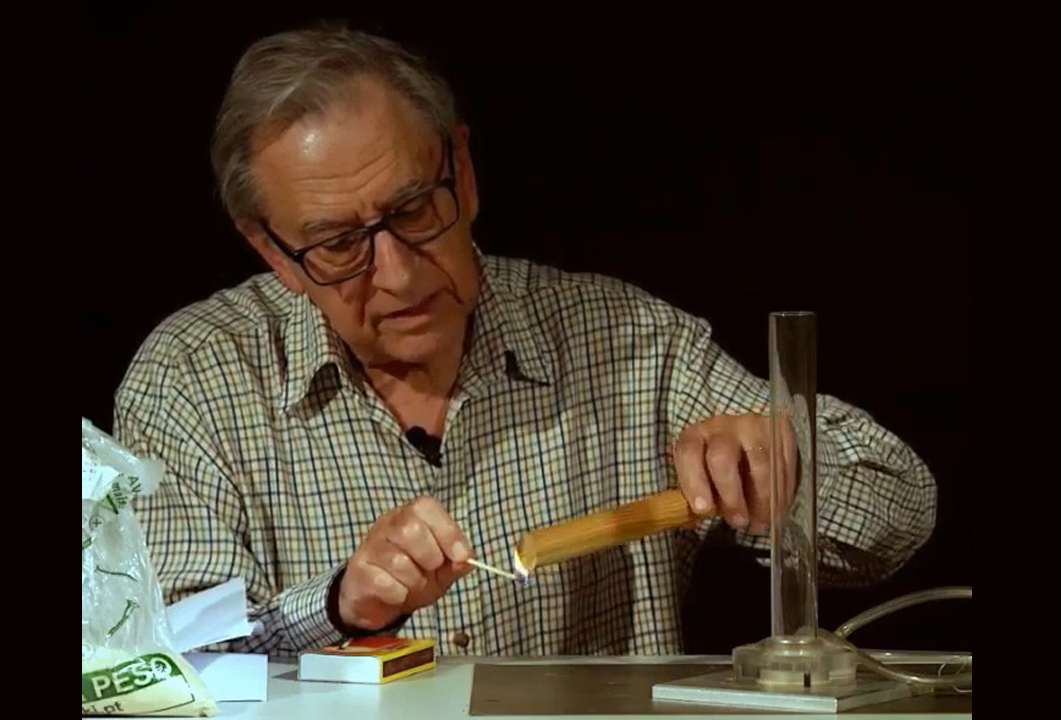
Lesson 5 – Burning solid fuel
To Teach Videoclasses ⮜ Return to Fire Behaviour Lesson 5: Prescribed fire How size impacts burning solid fuel Burning solid fuel In the first seconds of this experience we can see that it is not that easy to burn a piece of wood. If we approach a flame to a piece of wood, it will […]
-
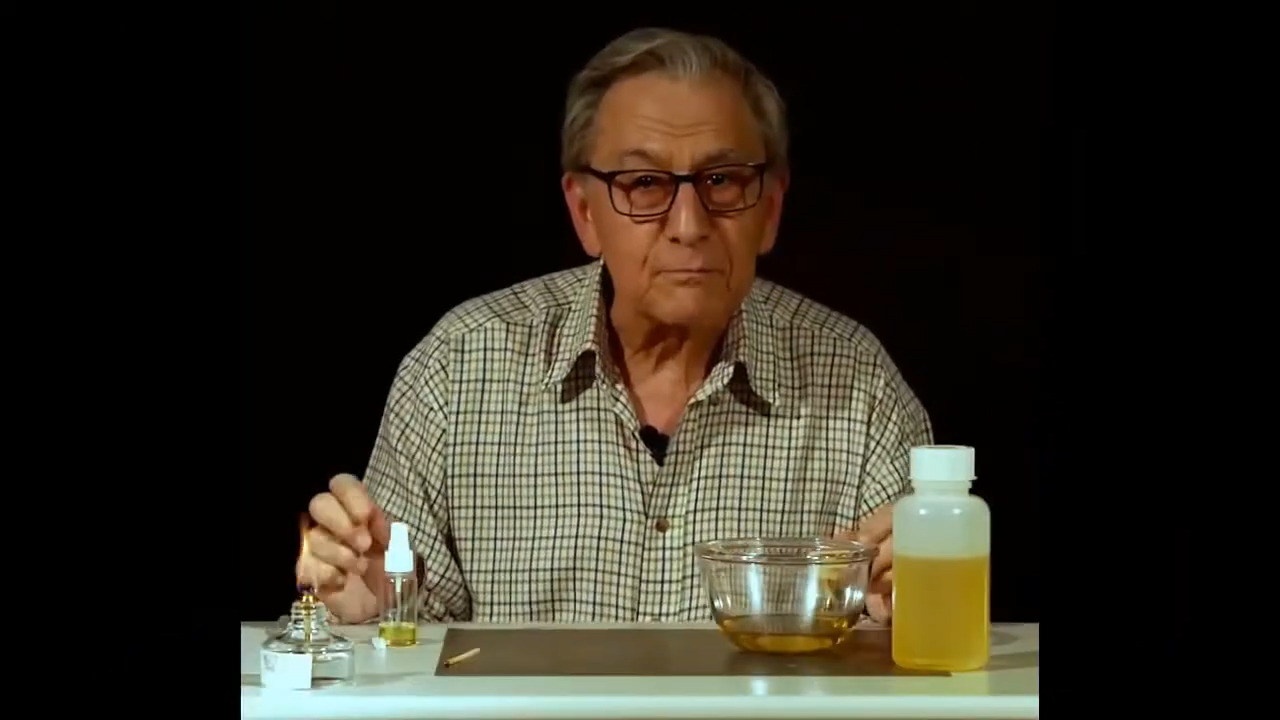
Lesson 6 – Burning liquid fuel
Some high flashpoint liquid fuels, such as diesel, are only flammable at room temperature when atomized in a shower of small droplets. This is due to the increased surface area/volume ratio when the fuel is atomized.